







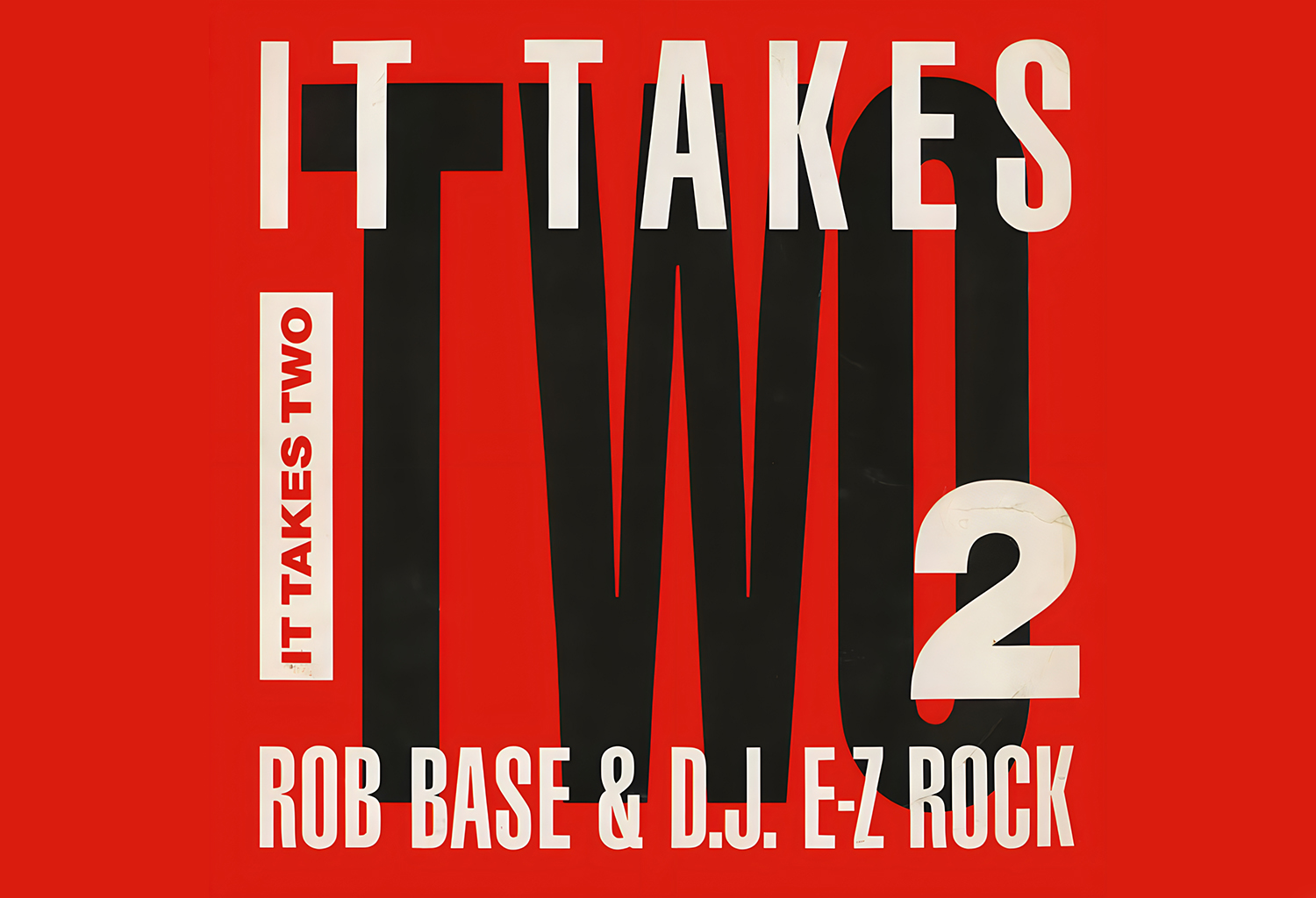
In 1988, the quiet suburb of Englewood, New Jersey, became the unlikely scene of one of hip-hop’s defining achievements: the creation of Rob Base and DJ EZ Rock’s It Takes Two. While the town might seem like an unusual setting for such a groundbreaking moment, its rich musical past played a significant role in the record’s success.
Englewood had been making waves in the music industry long before this milestone. It was once home to Sugar Hill Records, the label behind genre-defining songs like “Rapper’s Delight” and “The Message.” Beyond hip-hop, Englewood was also home to legendary jazz and soul icons such as Tony Bennett, Dizzy Gillespie, Sarah Vaughan, Miriam Makeba, and Thelonious Monk. This blend of musical influences created a creative energy that was still present during the making of It Takes Two.
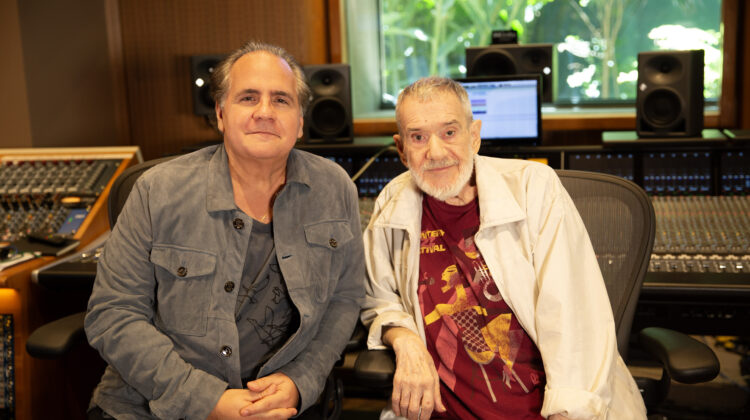
The song came to life at Hillside Studio, a facility run by Dae Bennett, son of the iconic Tony Bennett. Known for its high-quality gear and intimate atmosphere, the studio offered Rob Base (Robert Ginyard) and DJ EZ Rock (Rodney Bryce) the ideal space to channel their artistic vision. But more than the equipment, it was the teamwork inside that studio that made the track truly memorable.
Frank Moten, a day-job IT professional and passionate music promoter, contributed significantly to the song’s creation. With an exceptional ear for memorable melodies, Moten championed the decision to incorporate a classic sample from James Brown and Lyn Collins’ Think (About It), with vocals by Sharon “Tab” Richard. This choice gave It Takes Two its dynamic, danceable groove, seamlessly combining elements of soul and hip-hop.
Another key figure was engineer David Kowalski, who meticulously fine-tuned the track to perfection. His ability to balance the various musical elements ensured that every part of the song—from its hard-hitting beat to its energetic vocals—was flawlessly executed, delivering the high-impact sound that listeners loved.
The recording session was not without its pressures. The team completed the song during the final moments of their scheduled time, racing against the clock to wrap up the project. Yet this tight timeline only added to the creativity, pushing the team to work with intensity and focus, resulting in an unforgettable track.
Once released, It Takes Two made an immediate splash. It resonated with hardcore hip-hop fans and mainstream listeners alike, quickly climbing the charts and earning multi-platinum certification. The song also reached international audiences, becoming a major hit in the UK and other markets. Its success marked more than just chart-topping numbers—it became a cultural moment.
Over the years, its influence has only grown. Rolling Stone ranked it as one of the best hip-hop songs of all time, and its infectious opening lines—“It takes two to make a thing go right”—are still a universal call to celebration. Whether played at parties, in commercials, or on the court at NBA games, the song’s energy remains unmatched.
The creation of It Takes Two demonstrates what can happen when creativity and opportunity intersect. Englewood’s rich musical background, the inspiring environment of Hillside Studio, and the collective efforts of everyone involved—Rob Base, DJ EZ Rock, Sharon “Tab” Richard, Frank Moten, and David Kowalski—all combined to deliver a song that continues to resonate and inspire. It’s a powerful reminder of hip-hop’s enduring ability to captivate and transform.