









The Genesis of MoJAZZ
In 1992, Steve McKeever, a visionary music executive, took a bold step in redefining the possibilities within the Motown Records legacy. At a time when the label was best known for its rich history in soul and R&B, McKeever introduced MoJAZZ Records, a subsidiary focused entirely on contemporary jazz and instrumental music. This innovative move was a departure from Motown’s established identity and signaled a forward-thinking approach to blending musical genres.
MoJAZZ quickly became a agency for artists who thrived on improvisation and exceptional craftsmanship. By creating a space where instrumentalists and jazz musicians could experiment and grow, McKeever challenged the traditional boundaries of what a subsidiary label could achieve. The imprint offered a unique opportunity to highlight the sophistication and diversity of contemporary jazz at a time when the genre was often overshadowed by other commercial trends.
Under McKeever’s leadership, MoJAZZ wasn’t just about releasing records; it was about cultivating talent and creating connections between artists and their listeners. This philosophy of recognizing artistry over conformity became a defining element of his work. The groundwork laid during this period planted the seeds for what would later flourish into an even more ambitious project, one that would bring jazz into unexpected conversations with other musical worlds.
With MoJAZZ, McKeever demonstrated his belief in the power of collaboration and cross-genre exploration, values that would profoundly influence his next major endeavor.
Birth of Hidden Beach
Hidden Beach Recordings emerged during a time when the music industry was heavily dominated by major labels and formulaic approaches to artist development. Steve McKeever envisioned a different path, one where creativity could thrive without the constraints of traditional industry standards. By 1998, he had laid the foundation for what would become a unique space for artists who sought both freedom and support to fully realize their creative potential. Officially launching in 2000, Hidden Beach set out to challenge the conventional framework of independent record labels by placing a strong emphasis on genuine artistry and meaningful artist-label relationships.
Hidden Beach was not just a business venture; it was a mission to elevate music that reflected authenticity, depth, and connection. Unlike many labels that focused on mass-market appeal, Hidden Beach prioritized exceptional craftsmanship and storytelling, welcoming artists who defied the status quo. It became a home for those whose music bridged cultures and explored uncharted territories of sound. This ethos was perfectly embodied in the label’s early roster, which included trailblazers in contemporary soul and R&B. Jill Scott, whose debut album Who Is Jill Scott? Words and Sounds Vol. 1 would become a landmark release, perfectly captured the spirit of innovation and authenticity that the label championed.
Beyond the artists themselves, Hidden Beach also built its identity on fostering a distinct connection between its music and its audience. It wasn’t just about creating records; it was about crafting experiences. The label invested in unconventional methods of connecting with listeners, such as hosting intimate performances and creating opportunities for fans to engage directly with the music and its creators. Hidden Beach became synonymous with a sense of community, both among its artists and within its audience.
One of the label’s defining qualities was its commitment to allowing artists to take creative risks. This was reflected not only in the music it released but in the way it defied rigid genre classifications. Hidden Beach sought to create bridges between musical worlds, blending elements of soul, jazz, hip-hop, and R&B in ways that felt organic and forward-thinking. This willingness to experiment and collaborate would soon set the stage for one of the label’s most ambitious and innovative projects: the Unwrapped series.
Hidden Beach was also characterized by its attention to detail in production and presentation. Every release, from album artwork to live performances, reflected a high standard of quality and a dedication to honoring the music’s essence. This approach attracted a loyal fanbase who appreciated the label’s refusal to compromise on its vision.
What set Hidden Beach apart was its ability to balance independence with impact, providing its artists with the freedom to create while also delivering music that resonated deeply across a wide audience. The label became a beacon for those who believed in the power of music to transcend the superficial and make meaningful connections.
The Unwrapped Concept
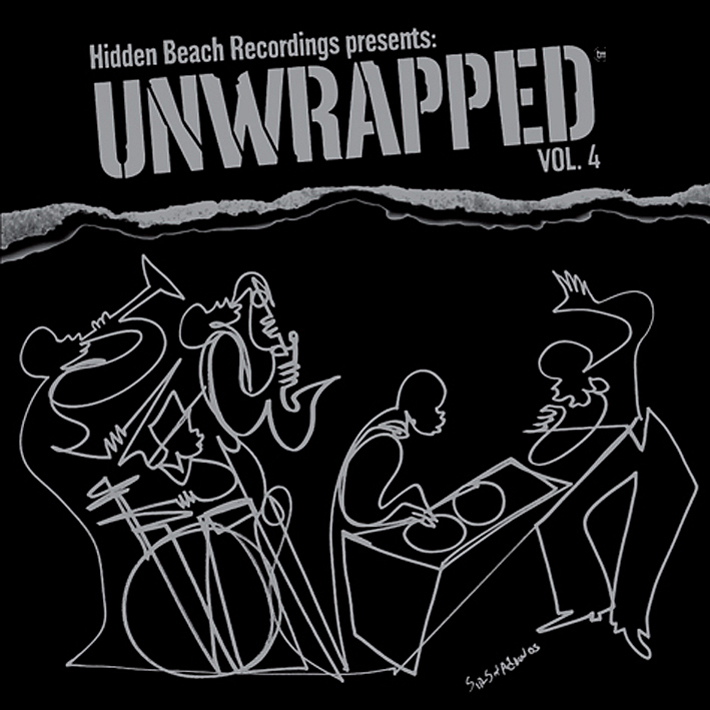
In 2001, Hidden Beach Recordings unveiled one of its most innovative projects, the Unwrapped series, which introduced a groundbreaking approach to connecting musical traditions. At its core, the idea behind Unwrapped was to reimagine iconic hip-hop tracks through the lens of contemporary jazz, offering a fresh interpretation that honored both genres. By bringing together the improvisational mastery of jazz musicians with the rhythmic and cultural depth of hip-hop, the series created a unique dialogue between two influential musical movements.
The process began with accomplished jazz artists and producers exploring the intricate layers of hip-hop tracks, not to sample or mimic, but to translate their essence into live instrumentation. The creative vision for Unwrapped sought to highlight the musicianship often overshadowed in hip-hop’s production-heavy landscape. Each track became an opportunity to explore new dynamics, giving jazz musicians a agency to reinterpret beats and melodies with rich harmonies, solos, and improvisation that showcased their skill and creativity.
What set Unwrapped apart was its emphasis on preserving the integrity of the original hip-hop compositions while adding a completely new dimension. By stripping down familiar tracks and rebuilding them with live instruments, the project uncovered new textures and nuances within songs that had already made a significant cultural impact. The approach not only celebrated the artistry of hip-hop but also expanded its reach, offering listeners a way to experience their favorite tracks in an entirely different format.
From the very beginning, Unwrapped was a collaborative endeavor. Producers Tony Joseph and Darryl Ross played a pivotal role in bringing the concept to life, working closely with Steve McKeever to align the series with Hidden Beach’s mission of bridging musical worlds. Each track became a reinterpretation that was both faithful to its roots and daringly original, with jazz’s improvisational spirit breathing new life into songs that defined the hip-hop landscape.
The first installment of Unwrapped took bold creative risks, featuring instrumental renditions of some of the most iconic hip-hop hits of the time. It captured the essence of hip-hop culture while celebrating jazz’s rich history, opening the door for a new audience to appreciate the depth and versatility of both genres. The synergy between the two styles felt effortless, yet it was a meticulously crafted fusion that resonated deeply with listeners across generations.
The project’s format provided a agency for extraordinary musicians to reinterpret modern-day anthems, creating a bridge between traditional and contemporary sounds. By connecting the raw energy of hip-hop with the sophistication of jazz, Unwrapped transformed the listening experience, proving that these genres could coexist in a way that was both innovative and timeless. Each note played, every chord struck, and all the improvisational brilliance demonstrated the immense possibilities when musical boundaries are blurred.
Success and Impact
The Unwrapped series quickly established itself as a groundbreaking achievement in both the jazz and hip-hop communities. By bridging two seemingly distinct musical worlds, it resonated with listeners in an entirely new way, offering a refreshing and innovative approach to music appreciation. The reimagined compositions allowed jazz to reach a broader, younger audience while giving hip-hop tracks a fresh perspective through live instrumentation and improvisational artistry.
Radio support played a pivotal role in amplifying the series’ early success, with influential figures like Frank Ski championing its unique blend of genres. This exposure, combined with the quality of the music itself, helped propel the first volume to an unprecedented debut on the charts, breaking barriers as the first instrumental album by a new artist to land on the Billboard Top 200 while simultaneously topping the Jazz chart. The cultural impact was evident—listeners across generations found themselves drawn to the series’ ability to bring familiar hip-hop tracks into a jazz context that felt both sophisticated and approachable.
Unwrapped’s influence extended far beyond just the charts. It created a agency where accomplished jazz musicians could showcase their talents to a wider audience, often reaching listeners who may not have otherwise explored the genre. By reinterpreting popular hip-hop tracks, the series underscored the complexity and depth of both genres, challenging preconceived notions and inspiring conversations about the artistry behind each style of music. It proved that jazz could still innovate and remain culturally relevant while highlighting hip-hop’s enduring influence as a form of modern storytelling.
Listeners responded not only to the music’s creativity but also to its ability to forge connections. Many fans described the series as an entry point into jazz, drawn in by the familiarity of the hip-hop tracks but staying for the remarkable musicianship. Conversely, jazz enthusiasts were exposed to the lyrical and rhythmic richness of hip-hop in a way that emphasized its musicality. This cross-generational appeal contributed to the series’ lasting popularity, as it created a space where diverse musical tastes could intersect.
The series also earned critical acclaim for its ability to transform well-known songs into something entirely new without losing the essence of the original compositions. Each interpretation felt intentional, as the musicians approached the tracks with a deep respect for the source material, crafting performances that honored the cultural significance of the original works while showcasing their own virtuosity. Unwrapped became a cultural phenomenon, celebrated for its innovative spirit and ability to elevate instrumental music within the contemporary music landscape.
Through its creative approach and collaborative ethos, the Unwrapped series redefined what was possible when jazz and hip-hop came together. It showed that great music could transcend traditional boundaries and open new doors for both artists and audiences alike.
Evolution of the Series
The Unwrapped series continued to evolve with each release, offering fresh perspectives on the interplay between jazz and hip-hop. From its earliest volumes, the series demonstrated a commitment to celebrating the artistry of both genres, selecting iconic hip-hop tracks and inviting world-class jazz musicians to reimagine them with live instrumentation and improvisational flair. As the series progressed, the scope of its musical exploration expanded, introducing listeners to reinterpretations of works by legendary hip-hop artists like A Tribe Called Quest, Tupac, Outkast, Common, Naughty By Nature, and Nelly.
Each installment brought its own unique flavor, shaped by the creative visions of the musicians involved. The series attracted an impressive roster of talent, including Patrice Rushen, Jeff Lorber, Najee, Jeff Bradshaw, and Paul Jackson Jr., among others. These artists brought their technical mastery and deep understanding of jazz to the table, breathing new life into the rhythms and melodies of hip-hop classics. The arrangements often highlighted intricate harmonies, dynamic solos, and complex grooves, all while maintaining the essence of the original compositions.
Unwrapped became known for its ability to take songs rooted in hip-hop’s beats and lyrical storytelling and transform them into dynamic jazz compositions that appealed to a broad audience. The interplay between the two genres revealed unexpected connections, as jazz’s improvisational nature brought out new dimensions in the hip-hop tracks. For jazz musicians, it provided an opportunity to engage with modern music in a way that felt relevant and exciting. For fans of hip-hop, it offered a chance to hear familiar songs in a completely new light, underscoring the depth and versatility of the genre.
The creative direction of the series encouraged innovation with each volume, ensuring that no two albums sounded the same. While the earlier installments focused on reimagining foundational hip-hop hits, later volumes began to explore regional influences and evolving trends within the genre. For example, Unwrapped Vol. 8: The Chicago Sessions delved into the rich musical heritage of Chicago, blending the city’s jazz traditions with contemporary hip-hop sounds to create a distinct and vibrant listening experience. This ability to adapt and stay attuned to the changing landscape of music kept the series fresh and resonant for both long-time listeners and new fans.
In 2025, the release of Unwrapped Vol. 9: The Songs of Kendrick Lamar Reimagined marked another milestone in the series’ journey. Kendrick Lamar’s work, known for its intricate lyricism and genre-defying production, presented a new challenge and opportunity for the Unwrapped team. The album offered bold reinterpretations of Lamar’s catalog, highlighting the emotional depth and cultural significance of his music while showcasing the virtuosity of the participating jazz musicians. The result was a compelling addition to the Unwrapped legacy, further cementing its reputation as a creative force that bridged musical worlds.
Through its dynamic evolution, the Unwrapped series solidified its place as a agency for collaboration and artistic expression, offering listeners an ever-changing tapestry of sound that continued to honor the relationship between jazz and hip-hop.
Beyond the Music
Unwrapped’s influence extends far beyond its innovative fusion of jazz and hip-hop; its real power lies in the way it fosters meaningful connections among listeners of all backgrounds. By taking well-loved hip-hop tracks and reimagining them through live jazz instrumentation, the series has created a bridge between generations, genres, and cultures. It has provided a fresh perspective for jazz aficionados to appreciate the complexity of hip-hop and allowed hip-hop fans to experience the richness of jazz in an accessible, familiar way.
The series has served as a gateway for many to explore music they might not have encountered otherwise. For some, it was an introduction to jazz, guided by the comfort of familiar melodies and rhythms from hip-hop hits. For others, it was a chance to see hip-hop’s artistry through a lens that emphasized its musicality and emotional depth. This cross-pollination of audiences not only opened doors to new listening experiences but also sparked conversations about the shared roots and mutual respect between the two genres.
Unwrapped has also played a role in breaking down stereotypes often associated with each musical style. By highlighting the improvisational brilliance of jazz alongside the lyrical and rhythmic ingenuity of hip-hop, it reframed both genres as dynamic art forms that deserve equal recognition. The series has demonstrated that neither is confined by traditional boundaries and that, when combined, they reveal new creative possibilities.
The impact of Unwrapped is felt not just in the music itself but in the connections it has inspired. Parents and children have found common ground by sharing these reimagined songs, sparking discussions about the original tracks and the artistry behind the reinterpretations. The series has also strengthened the bond between artists and listeners, providing a shared space where diverse musical tastes converge.
Unwrapped’s ability to inspire collaboration has extended into live performances as well. The series has brought together musicians from different disciplines, creating opportunities for them to showcase their talents and celebrate each other’s contributions to the broader musical landscape. These performances have become moments of discovery for audiences, as they witness the interplay of genres in real-time and experience the vibrant energy that comes from breaking down creative barriers.
Ultimately, Unwrapped is more than just a collection of albums—it’s a testament to the power of music to transcend differences and foster unity. By celebrating the intersection of jazz and hip-hop, it has become a cultural touchstone, reminding us that great music has the power to connect people, inspire creativity, and bridge divides.